Understanding the effects of gambling addiction on mental health
Defining Gambling Addiction
Gambling addiction, also known as compulsive gambling or gambling disorder, is a behavioral addiction characterized by an uncontrollable urge to gamble, despite the harmful consequences. Individuals affected often prioritize gambling over personal relationships, work obligations, and even basic necessities. The symptoms can range from mild to severe, impacting not just the individual but also their families and communities. As it progresses, this addiction can lead to significant emotional distress and a profound sense of hopelessness. Many players at KingPari Casino are drawn in by exciting offers, including a bonus kingpari, which only adds to the complexity of the gambling experience.
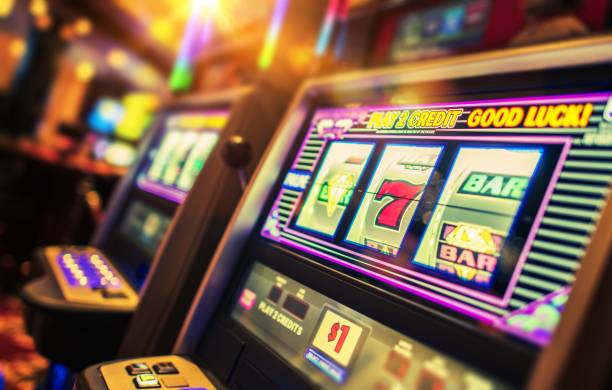
The impulsivity associated with gambling addiction can be similar to substance use disorders. Research indicates that the brain’s reward system reacts to gambling in a way that mirrors addiction to drugs or alcohol. This mechanism can create a cycle where the individual feels compelled to gamble more in search of the euphoric highs experienced during wins, further entrenching their addiction. Understanding these mechanisms is crucial for developing effective treatment strategies.
The American Psychiatric Association recognizes gambling addiction as a mental health disorder, underscoring the importance of seeking help. Many people suffering from this condition may also struggle with co-occurring mental health issues, such as anxiety, depression, or substance abuse disorders. Thus, a comprehensive approach that addresses both gambling behaviors and underlying mental health issues is often necessary for recovery.
The Psychological Impact of Gambling Addiction
The psychological effects of gambling addiction can be devastating. Individuals may experience severe anxiety and depression as a result of the financial losses and the strain placed on personal relationships. The guilt and shame that often accompany gambling can lead to social withdrawal and isolation, exacerbating mental health problems. As the addiction escalates, the individual may experience panic attacks or heightened levels of stress, further complicating their emotional state.
Additionally, gambling addiction can lead to a loss of self-esteem and self-worth. The constant cycle of winning and losing can erode an individual’s confidence, leading them to believe they are incapable of managing their life effectively. This diminished self-image can create a vicious cycle, where the individual gambles more to escape their negative feelings, leading to further losses and deeper emotional distress.
Moreover, the stigma surrounding gambling addiction can prevent individuals from seeking help. Many fear judgment from peers or family members, which can lead to feelings of loneliness and despair. This isolation can contribute to a deteriorating mental state, making it even more crucial to raise awareness and provide resources for those affected. Social support is essential for recovery and can significantly improve mental health outcomes.
Gambling Addiction and Its Physical Effects
While the psychological ramifications of gambling addiction are well-documented, the physical effects are equally concerning. Chronic stress from gambling can manifest in physical symptoms such as insomnia, headaches, or gastrointestinal issues. The body reacts to the emotional turmoil associated with gambling, often leading to a decline in overall physical health. Poor lifestyle choices may also result from gambling addiction, including neglecting proper nutrition and exercise, which can further exacerbate health issues.
Additionally, financial strain resulting from gambling can lead to significant lifestyle changes that affect physical health. Individuals may forgo regular medical check-ups or necessary medications due to financial constraints. This neglect can lead to chronic health problems, creating a cycle of poor health that can be hard to escape. The stress related to financial issues can also elevate risks for conditions such as hypertension and heart disease.
Moreover, gambling addiction can lead to risky behaviors that compromise physical safety. For example, individuals may engage in reckless behaviors while under the influence of substances to cope with the stress of gambling losses. These risky choices can increase the likelihood of accidents, injuries, or even legal troubles, compounding the individual’s physical and mental health challenges.
Treatment Options for Gambling Addiction
Understanding the complexity of gambling addiction is vital for effective treatment. Various therapeutic approaches exist, including cognitive-behavioral therapy (CBT), which has been shown to be particularly effective in helping individuals identify and change harmful thought patterns associated with gambling. This method encourages individuals to develop coping strategies and better manage their impulses, paving the way for recovery.
Support groups such as Gamblers Anonymous provide a community-based approach to recovery, offering social support and shared experiences that can help individuals feel less isolated. These groups promote accountability and can be a crucial part of a comprehensive treatment plan. Additionally, some individuals may benefit from medications that target underlying mental health conditions, such as depression or anxiety, which often coexist with gambling addiction.
It’s essential for those struggling with gambling addiction to understand that recovery is a journey. A multi-faceted approach often yields the best results, combining therapy, community support, and potentially medication. Open communication with family and friends can also play a significant role in the recovery process, as having a strong support network can provide encouragement and motivation to overcome the addiction.
KingPari Casino’s Commitment to Responsible Gaming
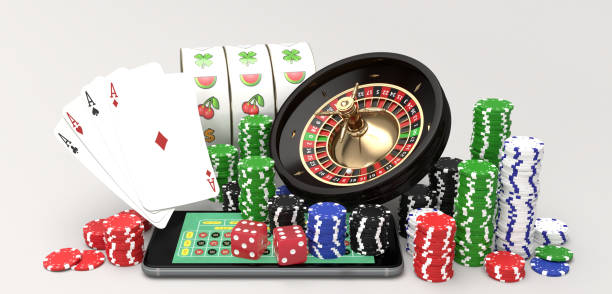
KingPari Casino is dedicated to promoting responsible gaming, understanding the potential risks associated with gambling. The platform provides various resources and tools designed to help players maintain control over their gaming activities. These include setting deposit limits, enabling self-exclusion features, and providing access to information about the signs of gambling addiction. By prioritizing player safety, KingPari aims to create a healthy gaming environment.
In addition to offering responsible gaming tools, KingPari Casino actively raises awareness about the impacts of gambling addiction. The site collaborates with organizations that specialize in gambling addiction treatment and prevention, ensuring players have access to the resources they need. This commitment not only enhances the overall gaming experience but also demonstrates the casino’s dedication to player welfare.
Ultimately, KingPari Casino strives to be more than just a gaming platform. By fostering an environment that encourages responsible gaming, the casino hopes to contribute positively to the community. Players can enjoy their gaming experience while being aware of the importance of maintaining a healthy relationship with gambling, ensuring that it remains a source of entertainment rather than a pathway to addiction.