
Exploring the psychology behind high-stakes gambling decisions
The Influence of Risk Perception
Risk perception plays a critical role in high-stakes gambling decisions. Gamblers often assess the potential for loss or gain based on personal experiences and beliefs. Individuals who perceive risk as low may be more inclined to engage in high-stakes gambling, feeling invulnerable to potential negative outcomes. This mindset can lead them to underestimate the dangers of their decisions, ultimately influencing their betting behavior. For further insights, visit https://gundamfreedomfilm.co.uk/. Understanding this psychological aspect is essential to grasping why some individuals pursue high-stakes gambling more than others.
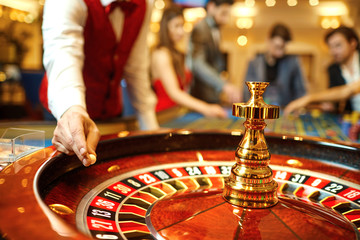
Moreover, cognitive biases such as the illusion of control can significantly shape risk perception. Gamblers may believe they can influence outcomes through their actions or choices, despite the inherent randomness of games like roulette or slot machines. This illusion can fuel more aggressive betting, as players feel empowered by their perceived control. Recognizing this cognitive bias can shed light on the propensity for individuals to take risks that may not be justified by actual probabilities.
Additionally, the emotional response to risk significantly influences gambling decisions. High-stakes environments often elicit heightened emotions, which can cloud judgment and lead to impulsive decisions. Emotional arousal can heighten the appeal of risk-taking, prompting gamblers to pursue larger bets or more dangerous games. These emotional dynamics create a complex interplay between perception and decision-making that is central to understanding high-stakes gambling behavior.
The Role of Luck and Skill
In high-stakes gambling, the debate between luck and skill is an ongoing conversation. Many gamblers rely on the belief that skill can influence outcomes, especially in games like poker where strategy plays a role. This belief may drive individuals to invest time in honing their skills, as they perceive this as a pathway to consistent success. However, it is crucial to acknowledge the randomness that inherently exists in many gambling scenarios, which can undermine the perceived importance of skill.
Conversely, in purely chance-based games like slots, luck dominates the experience. Gamblers who enter these environments often have little control over the outcome, leading to a heightened focus on luck as the primary driver of success. This reliance on luck can create a cycle of hope and despair, as players chase losses, convinced that a lucky break is just around the corner. Understanding how gamblers balance the concepts of luck and skill is pivotal in unraveling the psychological motivations behind their high-stakes decisions.
Furthermore, the framing of outcomes—whether a win or loss—can affect how gamblers perceive luck and skill. Positive reinforcement, such as winning streaks, can reinforce the belief in skillful play, while losses might be attributed solely to bad luck. This dynamic can create a skewed perception of reality, where success is linked to skill, and failures are dismissed as unfortunate events. These psychological frameworks play a significant role in how individuals navigate high-stakes gambling scenarios.
The Impact of Social Dynamics
Social dynamics heavily influence high-stakes gambling decisions, particularly in environments like casinos where the atmosphere can be charged with excitement. Peer behavior can significantly shape an individual’s willingness to engage in risky betting. If a group of friends is participating in high-stakes games, an individual may feel pressured to join in, even if they are uncomfortable with the risks. This social contagion effect can amplify betting behaviors, leading individuals to make decisions they might not consider in isolation.
Additionally, the role of social identity cannot be overlooked. Gamblers may associate their self-worth with their ability to win or lose in high-stakes situations, impacting their decision-making process. A win can enhance one’s social standing within a group, while losses may lead to feelings of shame or inadequacy. This connection between gambling outcomes and social identity can drive individuals to make riskier choices in pursuit of validation and acceptance among peers.
The impact of social dynamics is further compounded by online gambling environments where community interaction is integral. Online forums and social media can amplify the excitement and risks associated with high-stakes gambling. Gamblers may share strategies and experiences, fostering a sense of community that encourages participation in higher stakes. Understanding how social interactions shape gambling decisions offers valuable insight into the psychology behind these high-stakes environments.
The Role of Cognitive Dissonance
Cognitive dissonance is a psychological phenomenon that arises when individuals hold conflicting beliefs or attitudes, and it is particularly relevant in high-stakes gambling. Gamblers often experience dissonance when their behaviors contradict their self-image or rational beliefs about risk. For example, a person might consider themselves financially responsible, yet they find themselves making impulsive high-stakes bets. This internal conflict can lead to justification of risky behavior as a means to alleviate the discomfort of dissonance.
Moreover, cognitive dissonance can influence how gamblers interpret their experiences. After a significant loss, individuals may rationalize their decisions to mitigate feelings of regret. They might convince themselves that they played well or that luck was simply against them, allowing them to continue gambling despite negative outcomes. This ability to rationalize poor decisions can perpetuate a cycle of high-stakes gambling, as individuals continually seek to resolve their internal conflicts.
Another aspect of cognitive dissonance in gambling is the “sunk cost fallacy,” where individuals continue investing in high-stakes gambling to justify prior losses. Gamblers may feel compelled to recover their losses, despite the risks, as abandoning the game would mean accepting failure. This psychological mechanism complicates the decision-making process, leading to further irrational choices that may exacerbate their situation. Recognizing the implications of cognitive dissonance can be crucial in understanding the psychology of high-stakes gambling.

Understanding High-Stakes Gambling Through Psychological Insights
Exploring the psychology behind high-stakes gambling decisions provides invaluable insights into human behavior. By examining risk perception, the interplay between luck and skill, social dynamics, and cognitive dissonance, we can better understand why individuals engage in high-stakes gambling. These psychological factors interweave to create a complex environment where emotions, beliefs, and social influences converge, leading to decisions that may seem irrational yet are rooted in deeply held psychological principles.
For individuals affected by gambling behavior, acknowledging these psychological aspects is the first step towards healthier decision-making. Education on the influences of cognitive biases and emotional responses can empower gamblers to make more informed choices. Furthermore, recognizing the importance of social dynamics can help individuals navigate their gambling environments more consciously, fostering a more balanced approach to risk.
Ultimately, the exploration of high-stakes gambling from a psychological perspective not only enriches our understanding of the phenomenon but also provides a framework for promoting responsible gambling practices. By disseminating knowledge about the underlying psychological drivers, we can foster a culture of awareness and support for those navigating the complexities of high-stakes gambling.